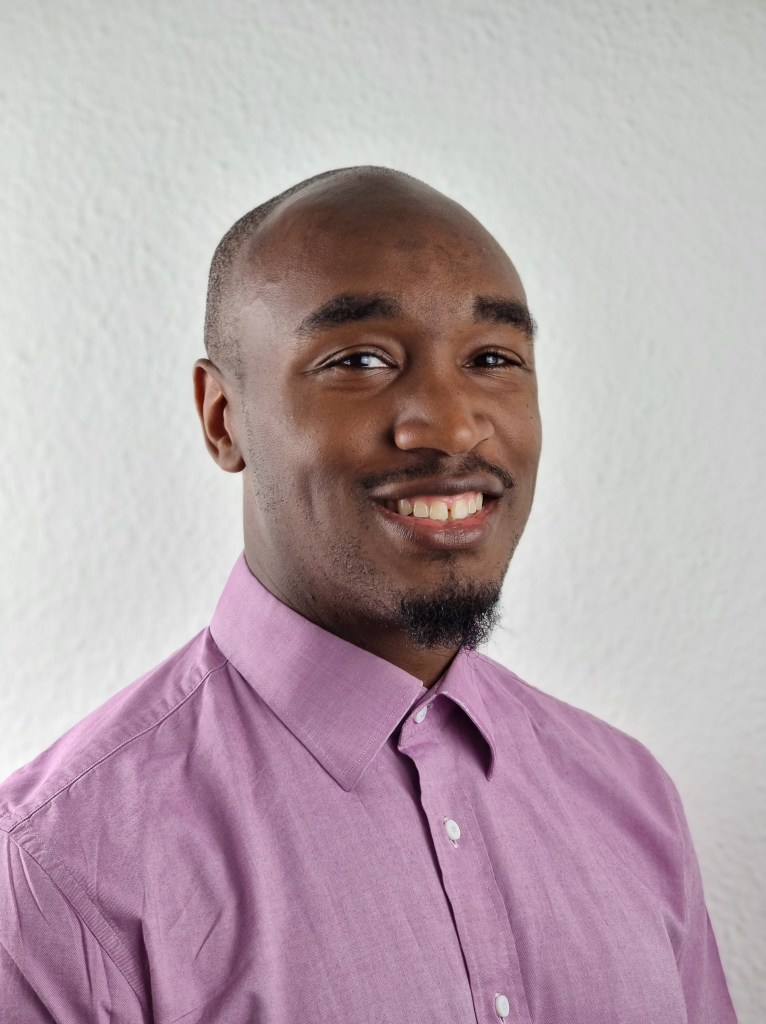
By the way, I have diabetes and before you ask;
- Yes, I can eat sugar.
- Yes, I enjoy sports and the gym.
- Yes, I have to do injections (no, we don’t call them shots) every day.
- Yes, it can hurt but you get used to it and the needles aren’t as long and large as the ones you think of for vaccinations etc, let me show you if you’re comfortable…
These are some of the answers to the first questions which always arise upon this revelation. But for those in need of a full introduction to diabetes, it’s a disease that reduces my body’s ability to produce insulin to process the sugar I eat. Insulin is a hormone which enables sugar to enter your cells and be used to create energy.
You may have heard of type 1 and type 2 diabetes.
Type 1 Diabetes
Type 1 diabetes is the type I have and is when your pancreas produces insulin less, inconsistently, or not at all. Type 1 diabetes is typically managed with multiple insulin injections daily, blood sugar (glucose) monitoring and constant vigilance. In relatively rare cases, it is possible to control type 1 diabetes with eating habits alone, but this is not the typical experience.
Type 2 Diabetes
Type 2 diabetes is when your body is unable to accurately regulate insulin production and your blood sugar levels. Your body may also reject the insulin that it produces and your pancreas finds it difficult to manage the level of sugar in the blood. You can manage type 2 diabetes with eating habits, weight loss, regular exercise, and medication, such as metformin which adjusts how your body interacts with the insulin it produces.
It is important to note that modern-day diabetes is broken into several sub-categories beyond simply type 1 and type 2 — you can read about them here.
Now we have that out of the way, let’s get to the life lessons.
Lesson 1 — I am not Diabetic, I Have Diabetes
It was my wife, registered pharmacist and medical copywriter, who helped me to consciously learn this. As I casually referred to myself as a ‘diabetic’ she kindly said, “we don’t say that in medicine anymore”. She taught me about the narrative of ‘having diabetes’ rather than ‘being diabetic’ which is used in the NHS and modern medical writing.
I reflected on my initial diagnosis after being referred to Kings College Hospital; I was told in the hospital, ‘You are diabetic now and this is how you manage yourself’. The narrative was one of having a new responsibility— definitely not a disability — that defines me and through looking after myself I would then be able to access a ‘normal’ life.
This old narrative led to the infuriating experience of visiting the doctor with anything from a rash to a sprained ankle and the doctor stating, “it’s because you’re diabetic, your control must be bad”. No, it’s because my control of a football is bad but you have labelled me as a diabetic and thus you cannot see beyond that.
Recognising that diabetes is something I have, not something I am was a liberating thought. Finally, in my late twenties, I no longer found it necessary to announce my diabetes to people. As my confidence in managing my diabetes grew, I decided I no longer wanted it to be the label immediately applied to me. I realised that focusing on such an aspect of my life, often, would lead to people engaging with me differently.
Shifting from being diabetic to having diabetes was the difference between being a broken person warning others of my weaknesses, to being a person carrying a weight who can choose whether or not to advise people of that weight where relevant. I have learnt that the weight of diabetes that I carry has contributed to who I am today without needing to be my identity.
Lesson 2 — Moderation is Key
A common response to finding out about my diabetes is assuming the worst; I CAN’T have this and I CAN’T have that, I CAN’T have a normal life. This is normally accompanied by a grimace of some variety, despite many of the people I tell having known me for a long time, seeing me live my life, and often knowing other people who have diabetes.
My diabetes has helped me to understand the fallacy of all-or-nothing, can or can’t approaches to life. It has taught me the complexity of managing anything through considering your inputs, your actions, and your expectations.
Yes, I can eat chocolate cake whenever I want. I simply consider my activities, my blood sugar levels, and the appropriate insulin dosage. Although the answer will at times be “no, this isn’t a good time to eat that”, considering how well my shirts fit around my waist often gives me the same outcome.
Life and its challenges are not typically solved by yes or no responses. In the context of having diabetes, my expectations have become more fluid and I am more moderate in my thinking. I try to always consider the current state of my body before making a final decision or judgement on my actions.
This includes simple things, such as what to eat, and more complex things, such as my reaction to things. For example, my wife and I always consider two things if we find ourselves getting into an argument or feeling irritated with each other:
- How has our day been in general?
- When was the last time we ate or drank, aka what are my blood sugar levels?
Taking the above approach to all of my interactions with people, and what I do in my life, has allowed me to be more patient and accepting. Taking such thinking on as a couple has made our relationship more stable as we are more considerate to each other.
My experiences in managing my diabetes have made me more considerate of the complexity of life. It has critically adjusted how I interact with challenges and made me more moderate, patient, and accepting.
Lesson 3 — The Difference Between a Choice and a Limitation
Choices and limitations are very different things though we often think of limitations as making our choices for us. An interesting experience of this for me is the fact that I do not have a driver’s license.
This decision was one part living in London and not “needing” a car, and one part fearing what could happen due to my diabetes. This matured into the decision that I would never get behind a wheel without my levels being perfect and stable. But this can be quite a demand considering the dynamic nature of my day-to-day life.
Towards the end of a tough day at work, my levels will often be lower than I would be happy with to drive a car, but high enough that with a quick snack I can start walking, cycling or getting public transport home. These activities will not put other people at risk and only have a minor increased risk for me. Driving, on the other hand, presents immediate and possible life-threatening risks.
This decision is not based on a limitation nor an expression of all-or-nothing thinking. It is what works best for me and how I live my life at this time.
There are other similar decisions I have made during my life; every step I take whether planning a holiday, going to the gym, considering my meals, teaching a lesson, or just leaving the house requires me to think about my blood sugar levels. These considerations have influenced my choices but do not present a limitation to me; I am currently in the fourth country I have lived during my life, I have been teaching internationally since my late 20s, I was a professional dancer for 10 years, and I continue to travel extensively with my wife.
We all make decisions and choose which battles we are happy or willing to engage in while creating the life we lead. Focusing on an alternative route or choice rather than banging our heads against the perceived barrier is less frustrating and leads to great growth. It is our actions and choices which dictate our lives within the context of the weight that we carry — for me, one of those weights is diabetes, and for others, it may be something similarly unseen.
My diabetes has taught me to make choices rather than perceive limitations. It prevents me from becoming frustrated with outcomes by focusing on my conscious decision and the role I play. This perspective has also given me greater respect for people’s choices in pursuing what is best for them.
In Summary
People are not their challenges, they are individuals whose challenges have taught them lessons and shaped the way they live. Being sensitive to this idea can support you being kinder to both yourself and to others.
My diabetes is a life partner that has influenced my life while forcing me to reflect on its impacts as I consider how to best manage and carry its weight. It has made my life more difficult while stimulating incredible amounts of growth and that is what I choose to focus on rather than let the weight become a burden.
What unseen weight are you carrying and what lessons has it taught you?
Acknowledgements: This article has been checked for accuracy by my wife, registered pharmacist, Virginia Chachati. Check out her website for her writing and enquiries about her work as a medical copywriter.