
In the second interview of this series titled: Behind the Curtain of International Teacher Recruitment, we explore the realities of bias and being present.
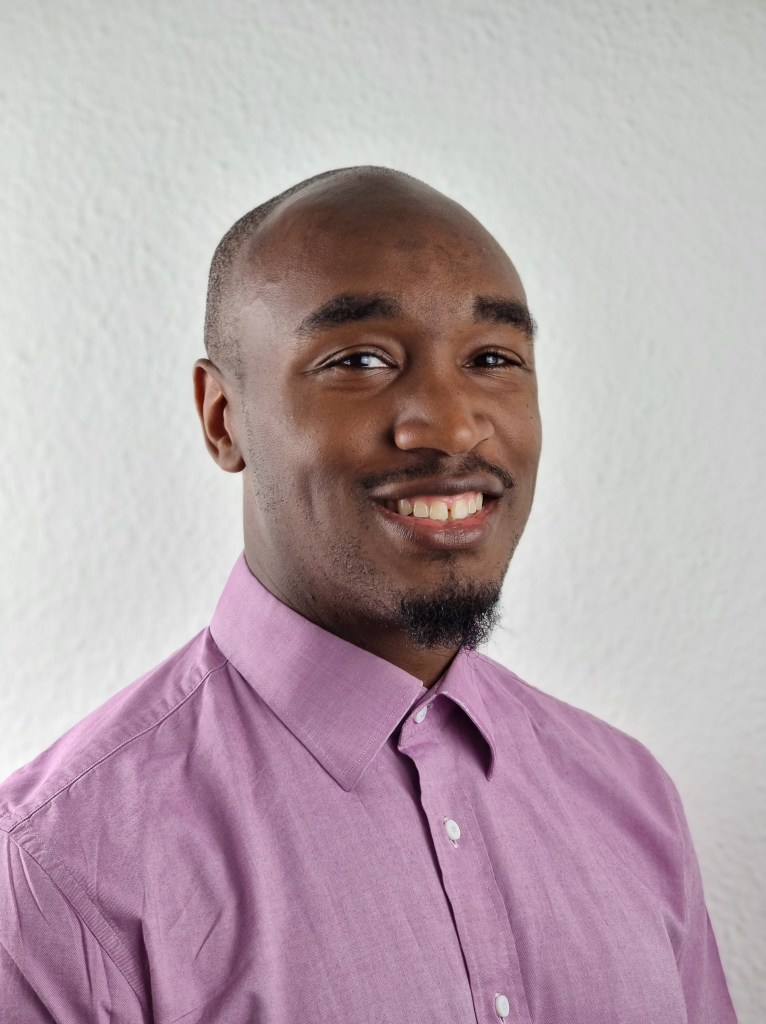
Joshua Garrett, the current Director at QSI (Quality International Schools) Astana, kindly shared his time with me and offered insights and advice to support diverse teachers applying for international teaching roles. With his experience at QSI, working with a centralised hiring procedure, Joshua gives us a look at how hiring works for them.


Currently working in Kazakhstan, Astana, Joshua has a range of international recruitment experiences in Asia and Eastern Europe. At his current school, Joshua uses the QSI channels for his recruitment; he expresses that “QSI has a great HR department which works out of headquarters in Malta and I am also involved in the local recruitment of people”.
Joshua has experience recruiting in a less popular destination for international teachers.
“I’m in a very hard to recruit for country and city” Joshua explains, “So if I’ve got an opening and somebody says ‘hey, I’d like to go to Nur-Sultan’, I’m probably going to see that application”.
This has led to a specific approach which ensures quality selection within a limited selection pool. A particular challenge for a smaller school trying to ensure a diverse staff.
“Our school is 250 kids, so when it comes to hiring, once HR passes me the candidates, it really just flows through me. I look at the resume, see if they have a niche and if I have a position for this person”. When dealing with a limited selection pool, it often requires creating opportunities for the people who apply rather than simply waiting for the correct applicant for a specific role.
Joshua’s Advice
“It’s hard for me to [offer advice] because I am a white American heterosexual at six foot six. So I come from a different perspective regarding bias, and I recognise that. So I can’t just say, ‘oh embrace it and be yourself’ because that may be challenging for someone who comes from a different perspective.”
“So I would say, put yourself out there because oftentimes, we receive what we put out. When you go international, it’s going to be difficult and uncomfortable, and people are not going to respond in a way that you can predict or the way that you are used to, and that’s why we do it. The bias is real, and the only way we will change it is by confronting it by being present there.”.
The impact of being ‘present’ is central to Joshua’s consideration of how to improve the current reality of international teaching for diverse teachers. “The only way we can change people’s bias is by being there and being in their lives so they can see things in another way. And I think having more people who aren’t white men from the United States teaching kids internationally should be beneficial for all those kids that are being educated around the world, and it’s such a worthy cause.”.
Joshua reflected on the ordeal of a colleague who was experiencing discrimination when applying for work during his time in China in 2008. He briefly recalled, “Despite having all the degrees, he gets no call backs, but he didn’t let that racism stop him.”. Joshua’s colleague secured an interview by sending an application with no picture and succeeded despite them initially telling him that the interview “is not for you” after seeing he was a black person.
Joshua’s colleague, “had a tremendous impact and paved the way for others” by being present in a space which presented itself as not for him. But of course, this comes at a tremendous personal cost, emotionally and physically, and Joshua states how, “that’s a heavy mantle to carry, it’s not an easy thing. It’s like being an ambassador for the world on top of being an international teacher.”.
With an acute awareness of the additional burden, Joshua calls international teachers’ attention to the value of being present and the positive impacts even without targeted advocacy work. As he said, “the bias is real”, and it is unfair but must be confronted. Entering the international teaching spaces and navigating the unfair systems, mindful of supporting those who come after you, destabilises these systems for the future – providing an opportunity for change.
But this fight must not be completely on the shoulders of the disenfranchised, and not everyone needs to take the massive challenges endured by Joshua’s colleague. There is a critical role for the people who benefit from the system to support. The teachers who, “had the luxury of not being the greatest [teachers] in the world”, as Joshua describes them, must also take action as allies and advocates.
In Sum…
For teachers from diverse backgrounds, it is important to put yourself out there and enter international teaching to support these changes and change the space from within. By being present, not only can those resistant to change be challenged, but those willing to be allies can be corralled and have a greater impact.
Keep learning
If the advice in this interview has resonated with you or inspired some questions, I encourage you to reach out to either Yasir or myself.
For further advice and an insight into the minds of the people recruiting, please explore all of the interviews below:
Yasir Patel – Headteacher at St Constantine’s International School Tanzania
Joshua Garrett – Director at QSI (Quality Schools International) International School of Astana (aka Nur-Sultan), Kazakhstan
Sheena Nabholz – Director of School Relations at Search Associates
Brian Couch – C.E.O of WABE International School in Pinneberg, Germany
Their insights into the recruitment process will support your journey and help you pave a safe and successful path to becoming an international teacher.
5 thoughts on ““The Bias is Real” International School Director in Kazakhstan discusses the challenges faced by diverse teachers during recruitment – Behind the Curtain of International Teacher Recruitment”