Change is needed, and Sam Cooke taught us many years ago that a change is gonna come. Let’s make changes to our principles consciously and ensure our changes will have a positive impact.

Conflicts, protests, responses to Covid-19, failures of government and global inequalities have taken centre stage in recent history. Many teachers find themselves wondering how we can positively influence our classrooms to raise a generation who can better cope with, and hopefully avoid or correct these challenges.
Reflecting upon my career as a secondary teacher, I can identify the key driving principle that I believe has most positively influenced my students and my own career.
‘Stop teaching the class, start learning with the class’
This principle is one that I believe liberated my teaching.
It reduced my stress, it gave me opportunities to learn more, and it allowed me to begin building rich relationships with my students.
Ego is a dangerous part of the culture of teaching and is both encouraged and supported by the basal hierarchy of teacher above student in the educational community.
By employing this principle which destabilises the negative classroom hierarchy we can reduce the pressure we place on ourselves as teachers. By becoming a student with the class, we don’t always have to be correct instead, we can lead the journey to the truth.
The absence of this principle for many teachers is demonstrated in their reluctance to address complex contemporary topics. The current fear of CRT, anti-racist pedagogies, decolonising the curriculum, and even project-based learning is case and point. This reluctance denies students the skills and experience to engage with socially necessary ideas and allows current social problems to be replicated.
Ego and hierarchy can produce teachers who stick to outdated textbooks; afraid to employ research with the students to ensure learning is relevant to the realities of today without an unacceptable increase in their personal workload.
Ego and hierarchy can produce teachers who do not build relationships with their students but rather tell their students what they should know. These are the same teachers who suppress questioning in their lessons, most clearly impacting students in the class whose backgrounds and cultures are widely misrepresented in education. Thus, students do not learn to see value in their thoughts and experiences.
The greatest lesson students learn from the teacher’s ego is their place — We must change our principles.
Students are passively taught that knowledge comes from authority rather than developing responsibility for the development of their own knowledge and understanding. This places shackles on the teacher as the only source of learning; to be celebrated for the student’s success, and chastised for their failure. It also shackles the students; be malleable and submissive learners or be punished for challenging the status quo.
Why bother thinking when ultimately the teacher will decide what is right and wrong?
If these approaches to learning and engaging are presented, we cannot expect our students to be engaged citizens. We must acknowledge that the sources of knowledge commonly presented in education are steeped in euro-centric bias and the positioning of white as right. This has a negative impact on equity, relationships between communities, and contributes to the systemic issues the world is currently facing unless we change our principles.
By liberating ourselves from our egos, we can liberate our classes from many of the challenges we are experiencing. It was perhaps 8 years ago while teaching in an East London school, that I recognised that I was completely misplaced in thinking of myself as the source of knowledge in my classroom.
I taught a diverse class and as I engaged with lessons about specific countries, cultures, and communities, I began to hear more from my students. Students who had lived in these areas and communities and had things to share.
I quickly found that the most powerful lessons were those where I was a student, not a teacher. Listening, and empowering my students to teach; demonstrating that I trust them, that their voice has value, and that they contribute to the creation of knowledge in the classroom.
Today, I find myself planning fewer lessons. Today, through listening to and building relationships with my students, I have a new source of information. I go to my lessons to learn with my students.
Perhaps the most liberating experience for my classroom was using this principle to wholeheartedly accept and engage with corrections and knowledge from my students. Allowing myself to model to the class how to change your understanding or perspective on a topic.
I no longer fear being wrong, I am surrounded by empowered students with whom I can learn, research, and discover. As their teacher, I can check the rigour and accuracy of our approaches, and as their fellow student, I can allow the class to be positively influenced by the journey.
I encourage teachers today to take on this principle and see how it impacts their classrooms and experience of teaching this year.
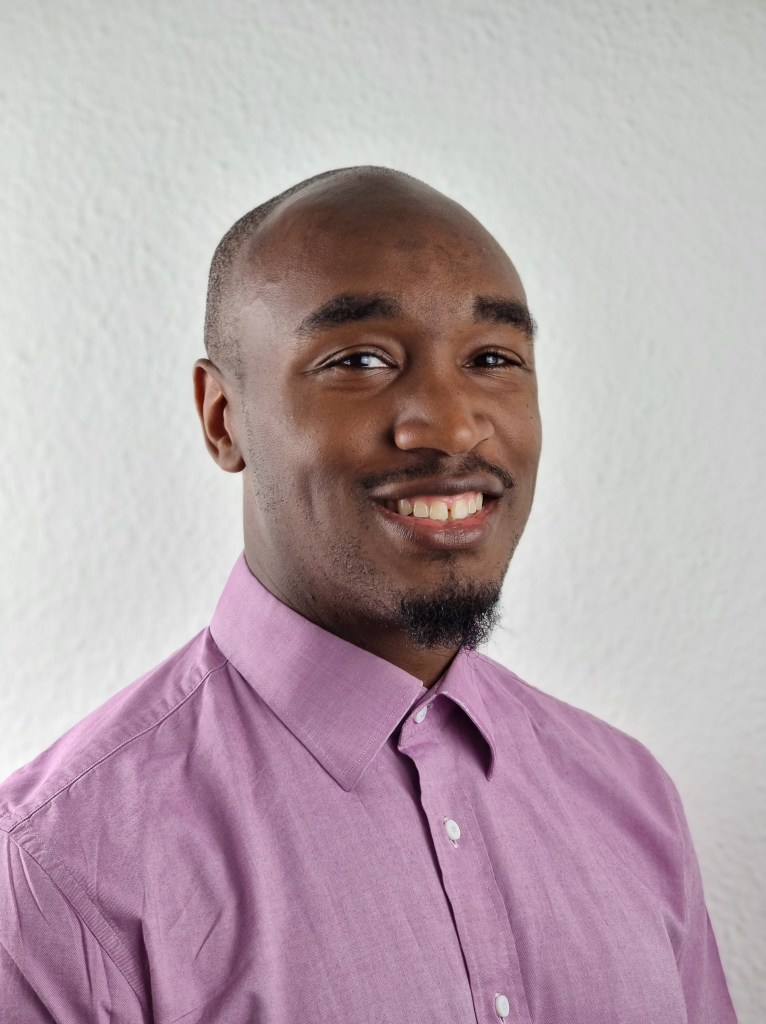
About Daryl Sinclair

Daryl Sinclair is an educator, geographer, and DEIJ specialist who believes in a systems approach to educational success. He champions Systemic Equity™, taking a non-ideological approach to DEIJ (Diversity, Equity, Inclusion, and Justice) that focuses on practical actions and indicators of impact that create learning environments that realise the learning community’s mission. Through his writing and consultancy work with exam boards, schools, and publishers, he champions the idea that the success of leadership and DEIJ initiatives is in what we DO, not simply what we believe. Daryl’s work focuses on your journey towards consistently equitable outcomes for all members of your learning community.
Take your next step with DEIJ at www.Dsinclairwriting.com/consultancy
Connect on LinkedIn: https://www.linkedin.com/in/darylsinclairgeography/